Mastering the Art of Shelf Presence: Essential Tips for Coffee Roasters Entering Grocery Stores
The coffee aisle at grocery stores typically features easy-to-find options such as single-serve pods, pre-ground coffee, and various flavored selections. But with consumer preferences evolving and demand for higher-quality local roasts growing, grocery stores are increasingly stocking their shelves with more refined coffee options. The National Coffee Data Trends report shows that 35% of respondents who brewed coffee at home within the past day purchased their coffee from grocery stores, making this channel a lucrative opportunity for coffee roasters.
Distributors… Friends or Foes?
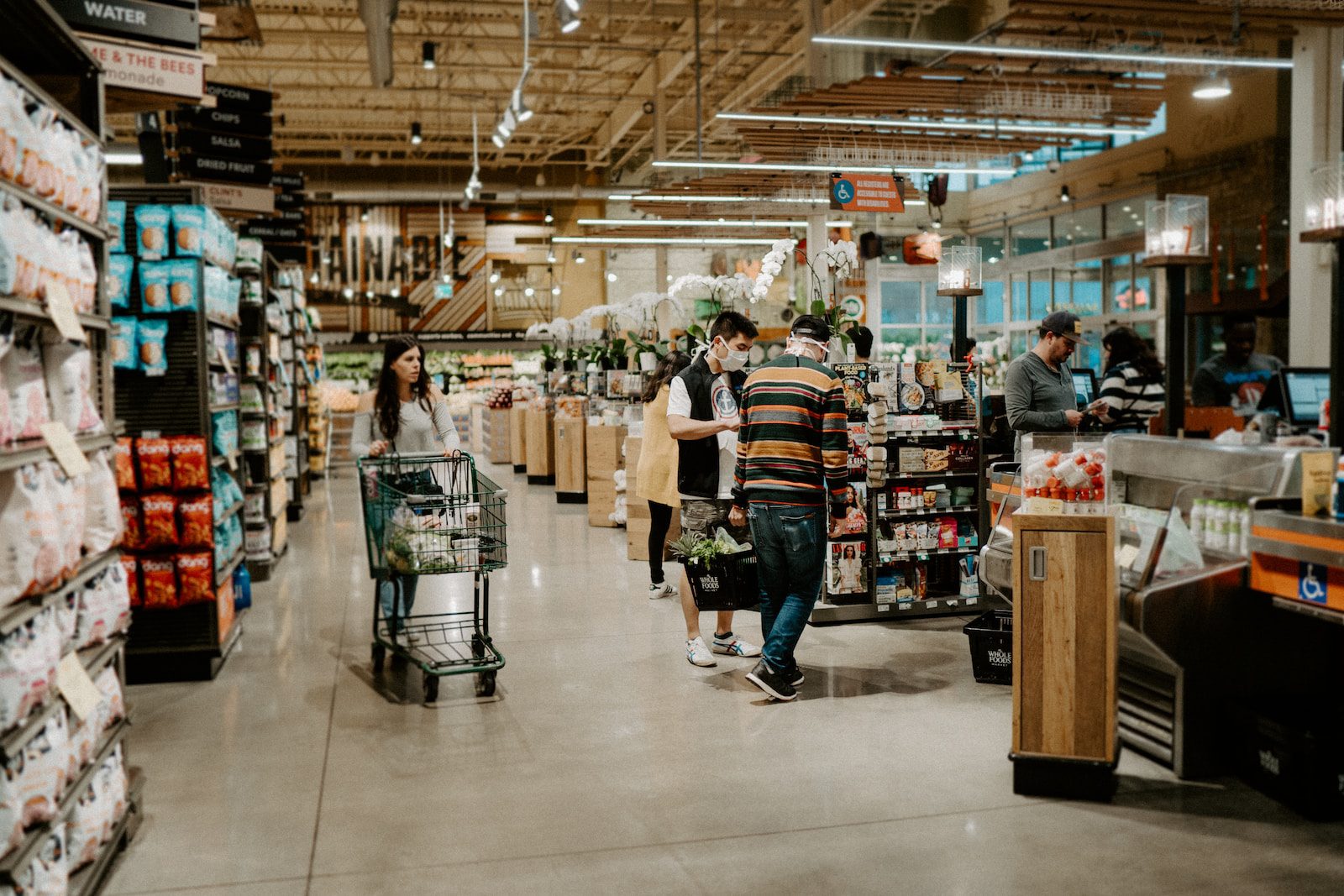
Entering the grocery store market opens up opportunities for coffee roasters to reach a wider customer base and establish a reliable source of income through partnerships with large-scale distributors. However, this expansion comes with its fair share of challenges.
If a Isome you Unfair Payment Terms
Distributors often demand very lax payment terms, placing additional pressure on roasters. It is important to resit the temptation to give in long payment terms. Stick to COD or 15 day terms at the most. Be sure to have a way to initiate the payment autonomously. For example a credit card number and authorization or pre-authorized debit agreement.
Inventory Management Issues
Furthermore, the extended shelf time required in grocery stores adds complexity to the process, requiring roasters to carefully manage inventory and ensure the freshness of their products. Never guarantee the sale of the product. All sales should be considered final and that should be explicitly understood by the distributors.
Buybacks, Returns and Other Distributor Shenanigans
1. Buybacks
Imagine you’re a coffee supplier and your distributor has already purchased a significant amount of coffee from you. However, after a while, they come back claiming the coffee hasn’t been selling as expected and they’d like you to buy it back to you at a reduced price.
For example, your distributor purchased bags of your specialty coffee for $10,000. After two months, they return 500 bags, asking you to buy them back for $4000, citing sluggish sales. This way, they get to keep half of the coffee for “free” and you lose $1000 on the buyback.
While it’s reasonable for some unsold goods to be returned, the coffee roaster should never agree to such terms. If a buyback clause has already been stipulated in your agreement, the buyback cost should always be at parity with the original purchase to protect your interest.
2. Returns
In some cases, a distributor might return most of the coffee, making false claims about the quality or other factors that affect sales.
For instance, they might claim that the coffee bags were found to be damaged or say that the coffee simply doesn’t have the desired flavor or aroma, even when they approved the samples before purchase. This is a classic shenanigan to avoid paying for the stock completely or to negotiate a lower cost.
3. Unwarranted Deductions
Distributors might introduce unwarranted deductions, stating various reasons like packaging problems, slotting fees, in-store displays, late delivery, or labelling issues to reduce the payable invoice amount.
Let’s say your distributor purchased coffee worth $5000, but when the payment time comes, they deduct $800, citing issues with delivery time. Even though the delivery was timely, they’re not willing to see reason.
4. Other Shenanigans
Often, distributors resort to tactics such as delaying payments or setting off their payable amounts with other unrelated costs, thereby bringing down the actual amount paid to the supplier.
For instance, a distributor might agree to pay you for your coffee supplies after 30 days. But they end up delaying this payment for 90 days or even more, causing serious cash flow problems for your business.
To avoid falling victim to such tactics, it’s crucial that all deal terms are clearly laid out and both parties establish a mutual understanding before any funds or goods exchange hands. Working with reputable distributors, setting clear payment terms and contract clauses can help protect your coffee business from such devious practices.
Alongside these considerations, the competitive landscape intensifies, which can lead to diminished profit margins. To thrive in this dynamic environment, coffee roasters must possess a deep understanding of their target market and the intricate workings of grocery distribution.
Selecting Suitable Retail Partnerships
Building strategic retail partnerships is crucial for coffee roasters. To do this, they need to examine the grocery store’s product lineup and assess customer preferences, price points, and whether the store aligns with their brand values.
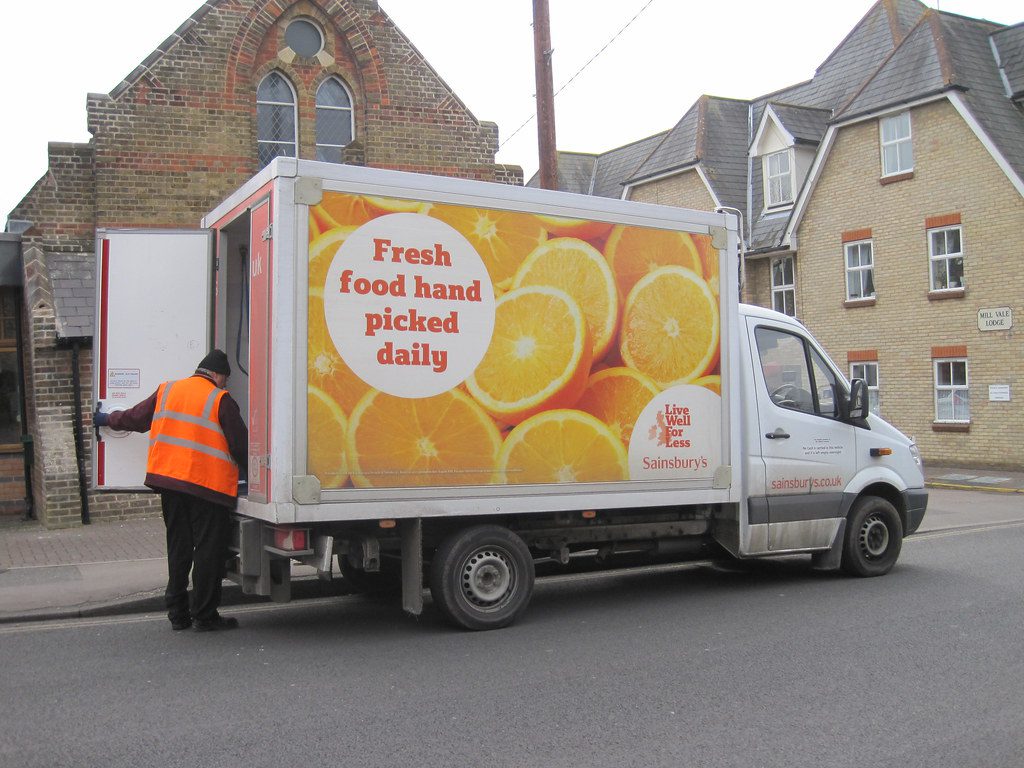
Developing strong relationships with store managers and category buyers is advised, as their support can directly impact the brand’s presence on the shelf. Navigating the complex world of grocery distribution requires both relationship-building and a comprehensive understanding of industry dynamics.
Engaging directly with a grocery chain has its advantages over utilizing a distributor. Often, category buyers are more receptive to new local brands, making it easier to establish a direct relationship with the chain. By bypassing the distributor, you have the opportunity to showcase your unique products and build a stronger connection with the grocery chain. This direct engagement allows you to have better control over your brand and product placement, ensuring that your offerings receive the attention they deserve. With direct access to the grocery chain, you can navigate the complexities of the industry and tailor your strategies to meet their specific requirements. By forging these direct relationships, you can maximize your brand’s exposure, enhance your presence on the shelves, and ultimately drive growth in the competitive grocery market.
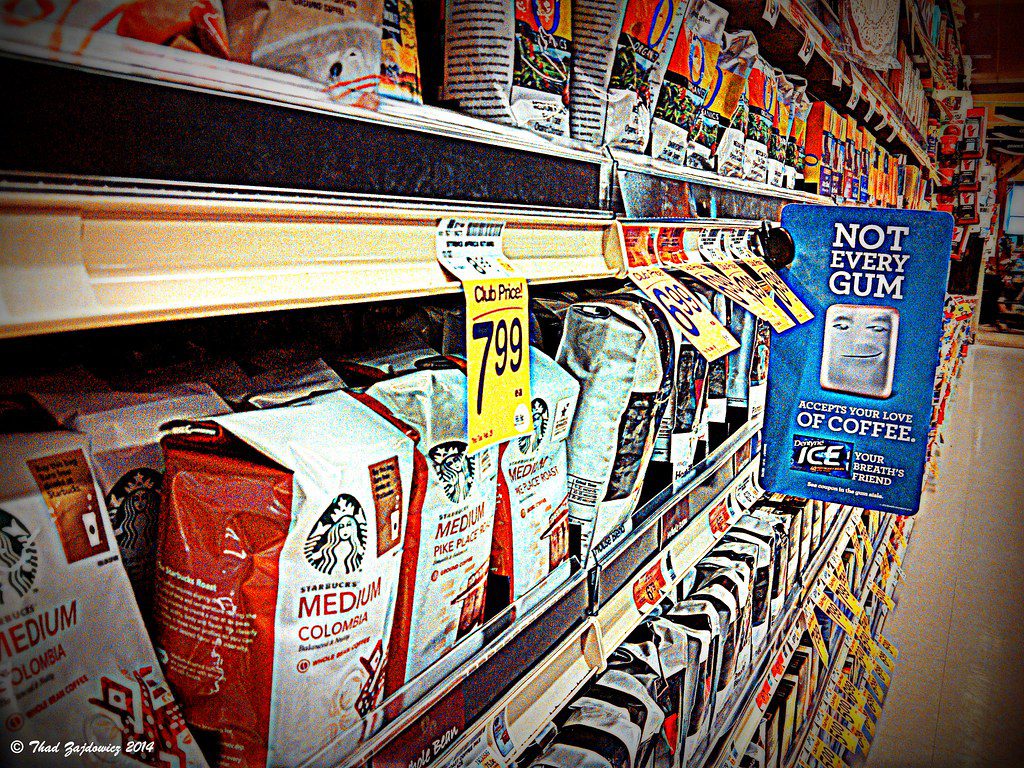
Adapting to the Retail Landscape
Entering the retail market also means adjusting to each store’s specific policies regarding deliveries, promotions, profit margins, and more. Coffee roasters may need to tailor their pricing, distribution, and marketing strategies to accommodate these requirements.
High Volume …Low margins. Great Exposure
While grocery sales can significantly increase order volume for roasters, they often seek supermarket partnerships for another crucial advantage: brand exposure. Companies like Three Keys Coffee and Nguyen Coffee Supply have ventured into this sales channel to gain exceptional visibility and consumer reach, using retailers like Trader Joe’s and Whole Foods as springboards to success. In doing so, they strengthen their brand presence and connect with customers in-store.
Some Conclusions…
Though each grocery store partnership may differ, learning from the process refines the strategy and improves preparedness for future ventures into the retail world. Working with grocery stores can be a valuable opportunity for expansion and growth for roasters, provided they can decode the often-beffudling world of grocery distribution.

Recent Comments